
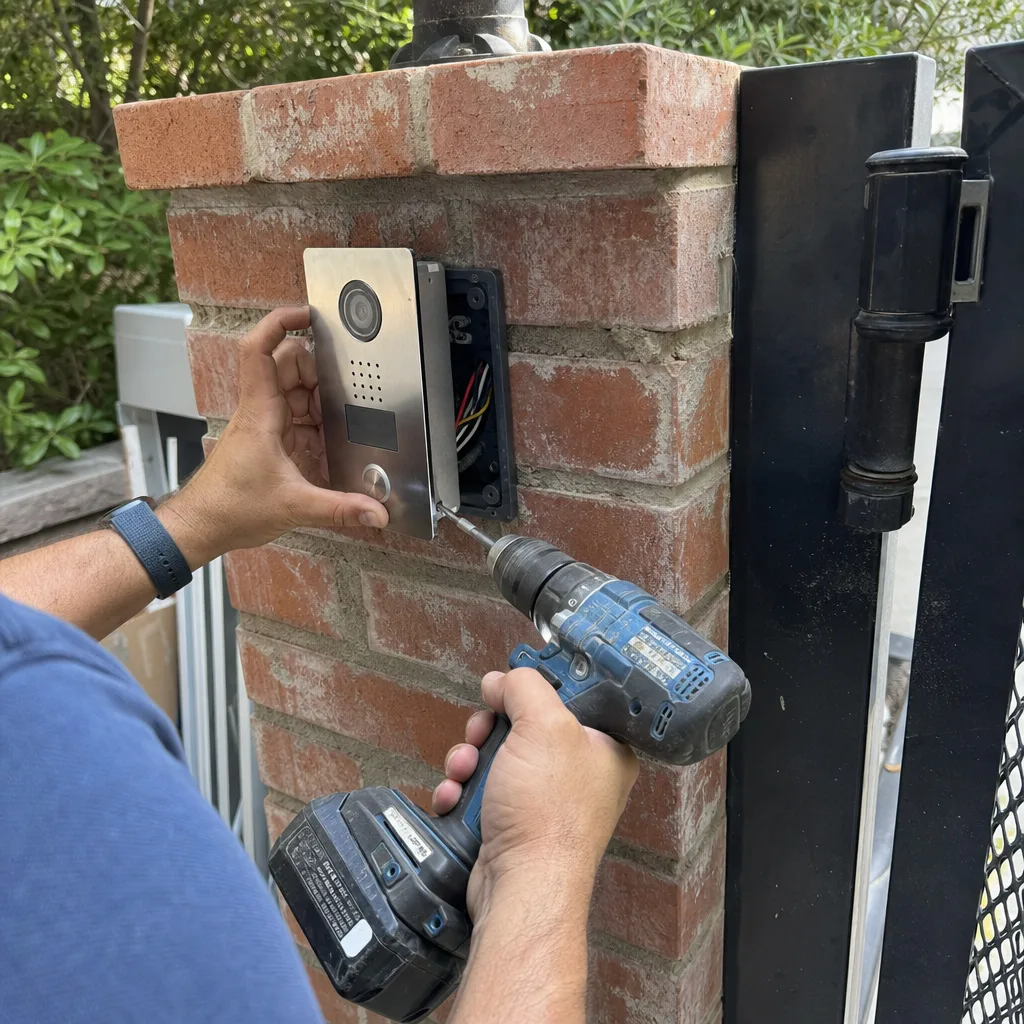
Last updated September 20, 2026
Free on-site gate assessment - hinges, posts, and your LiftMaster or Nice gate operator checked before anything is quoted
The assessment is free and the quote is the invoice.
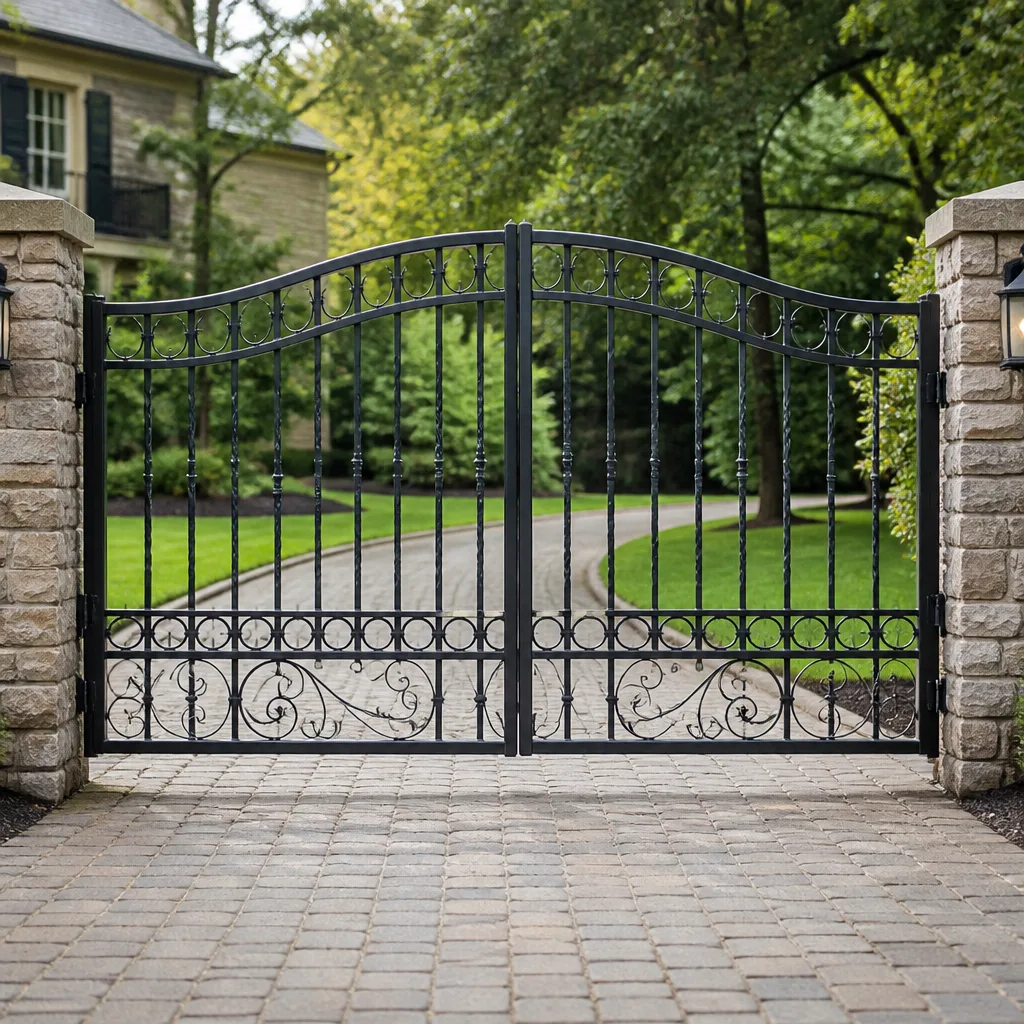
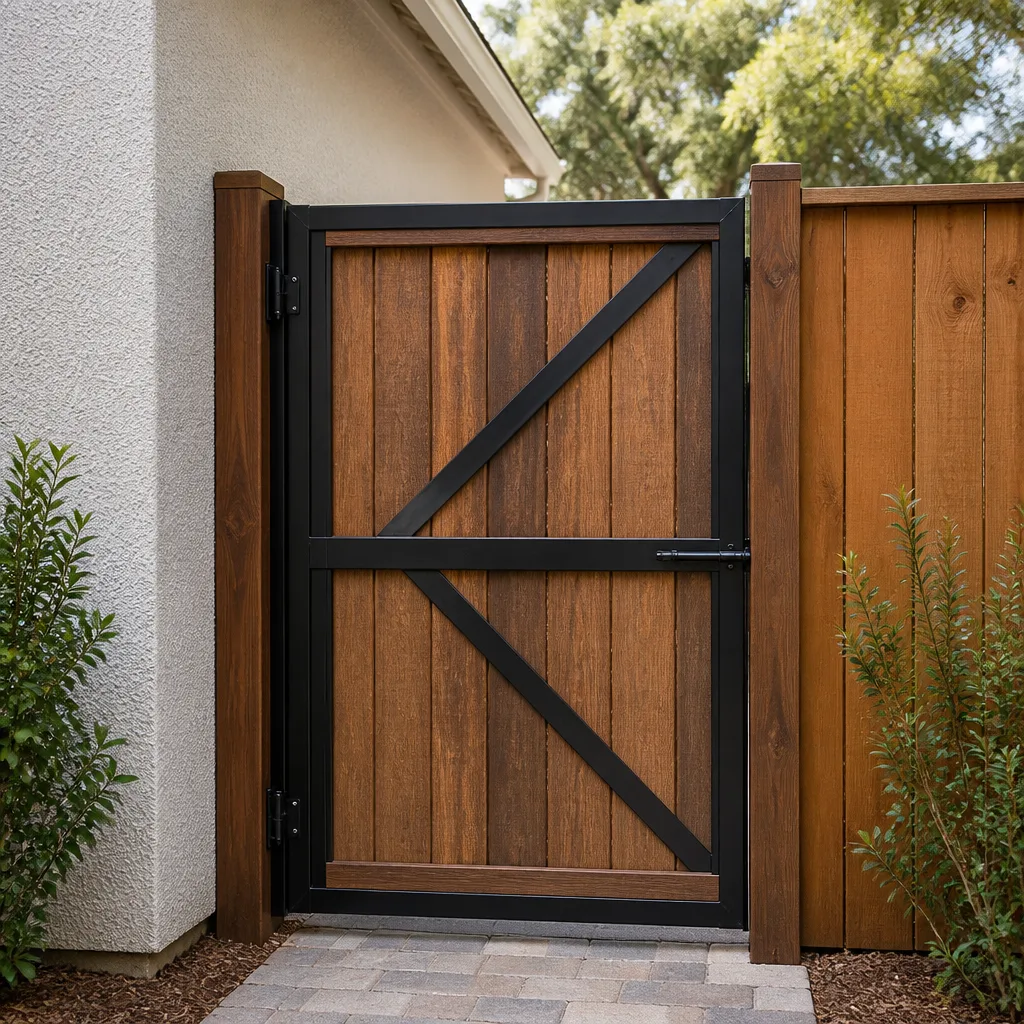
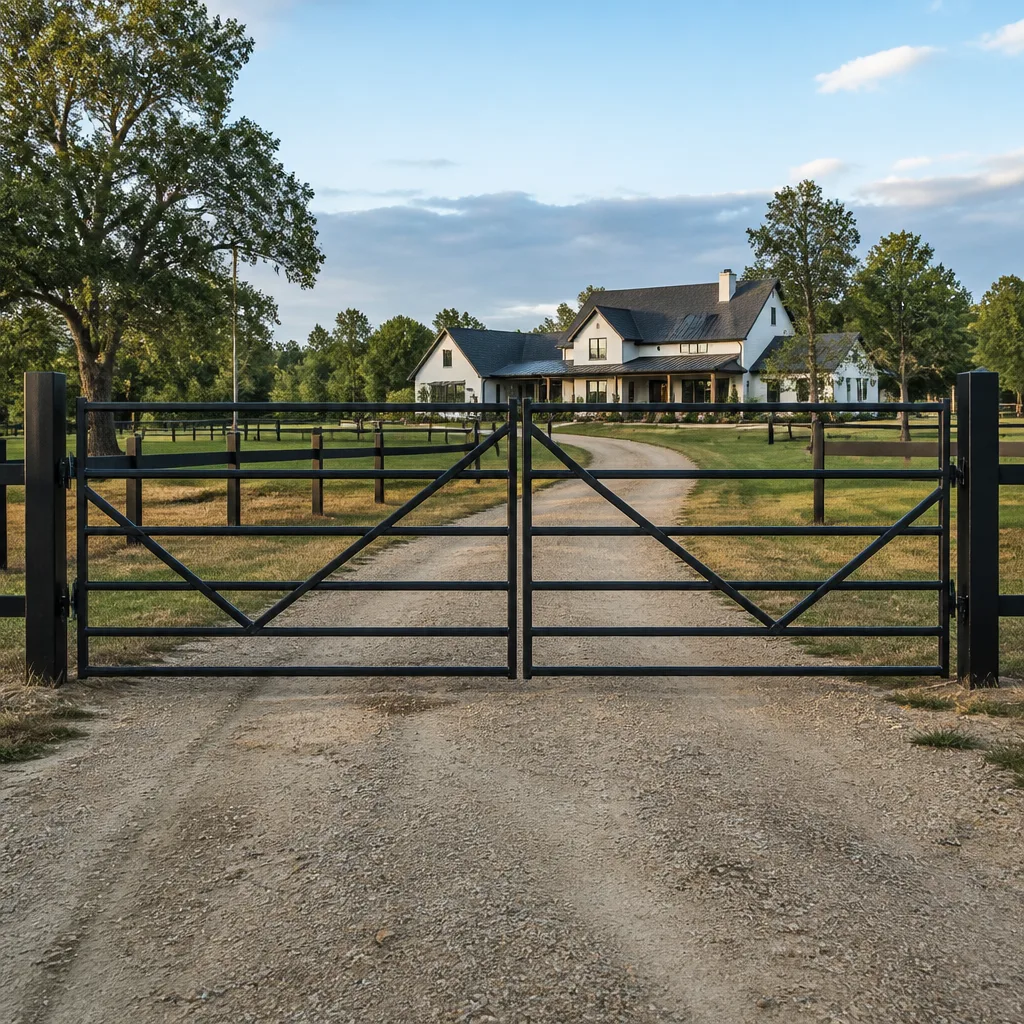
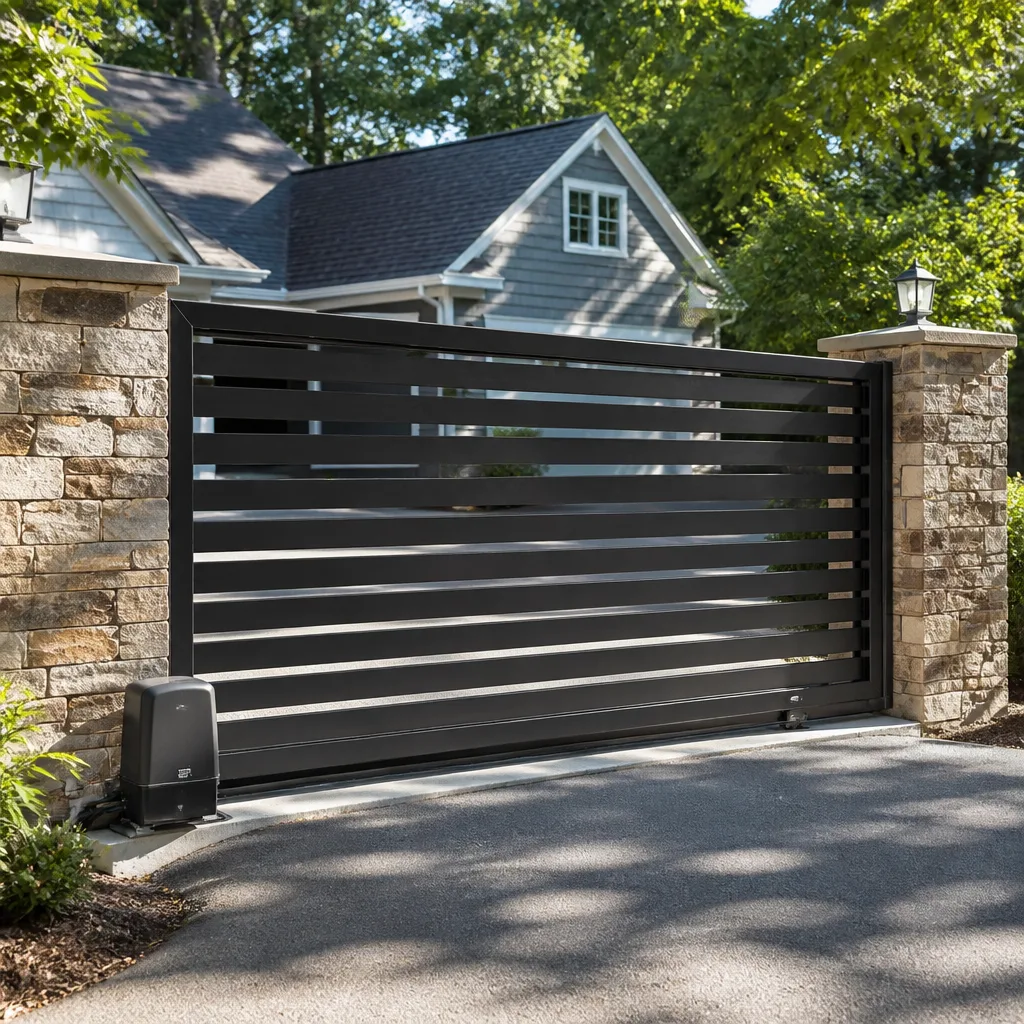
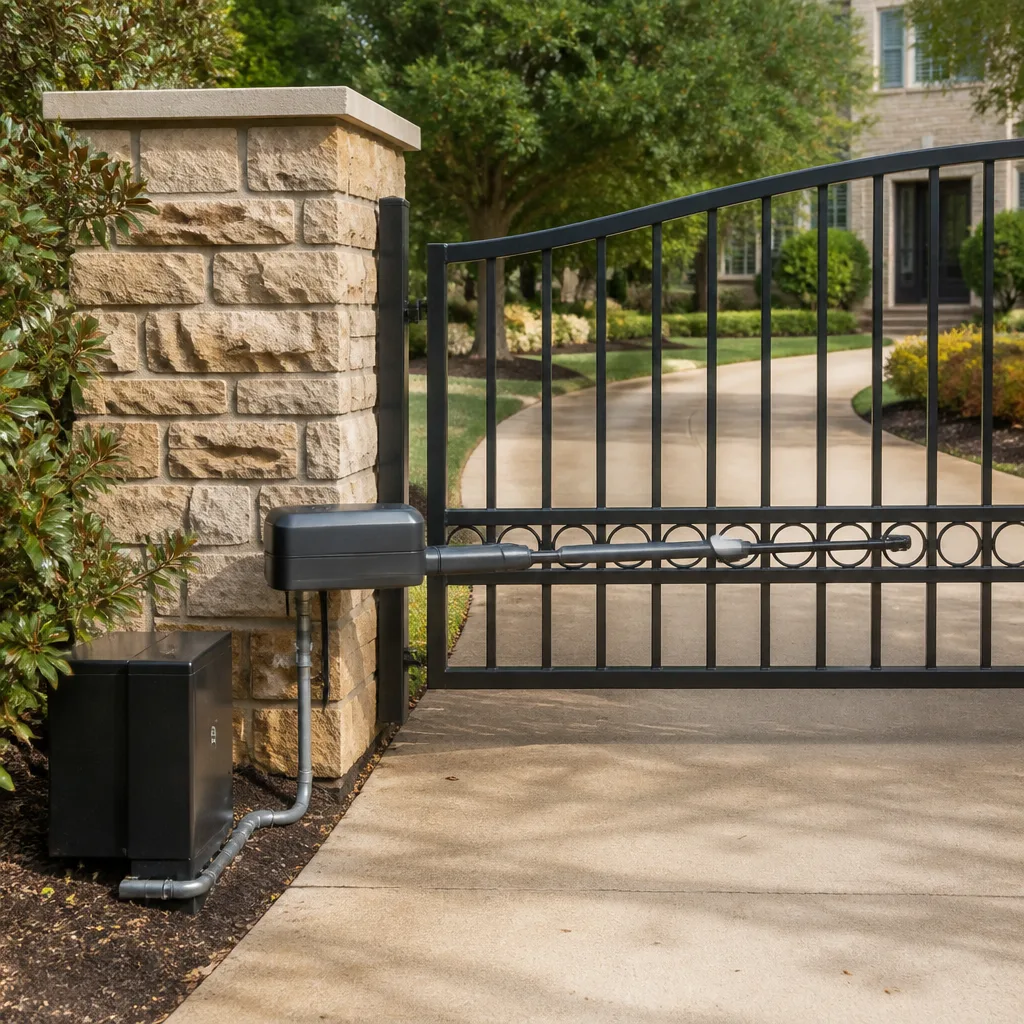
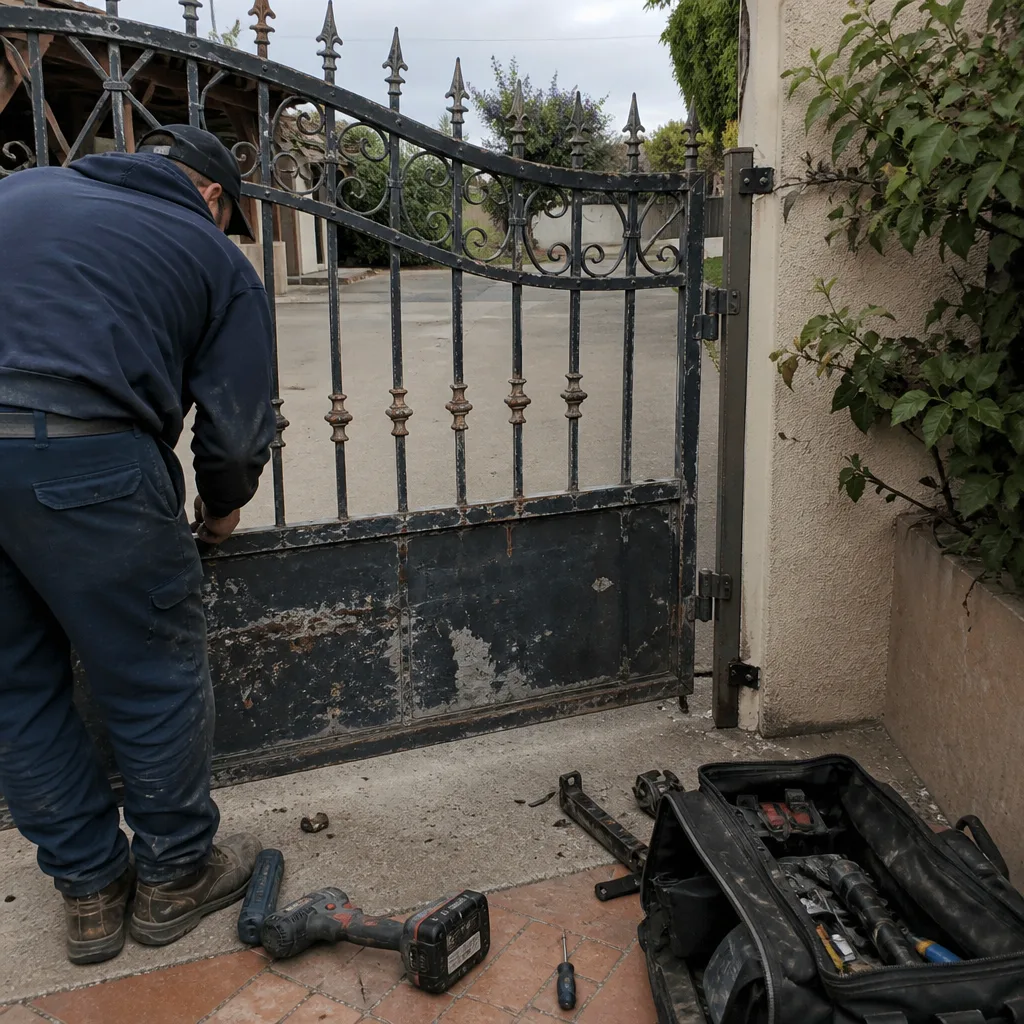 Before
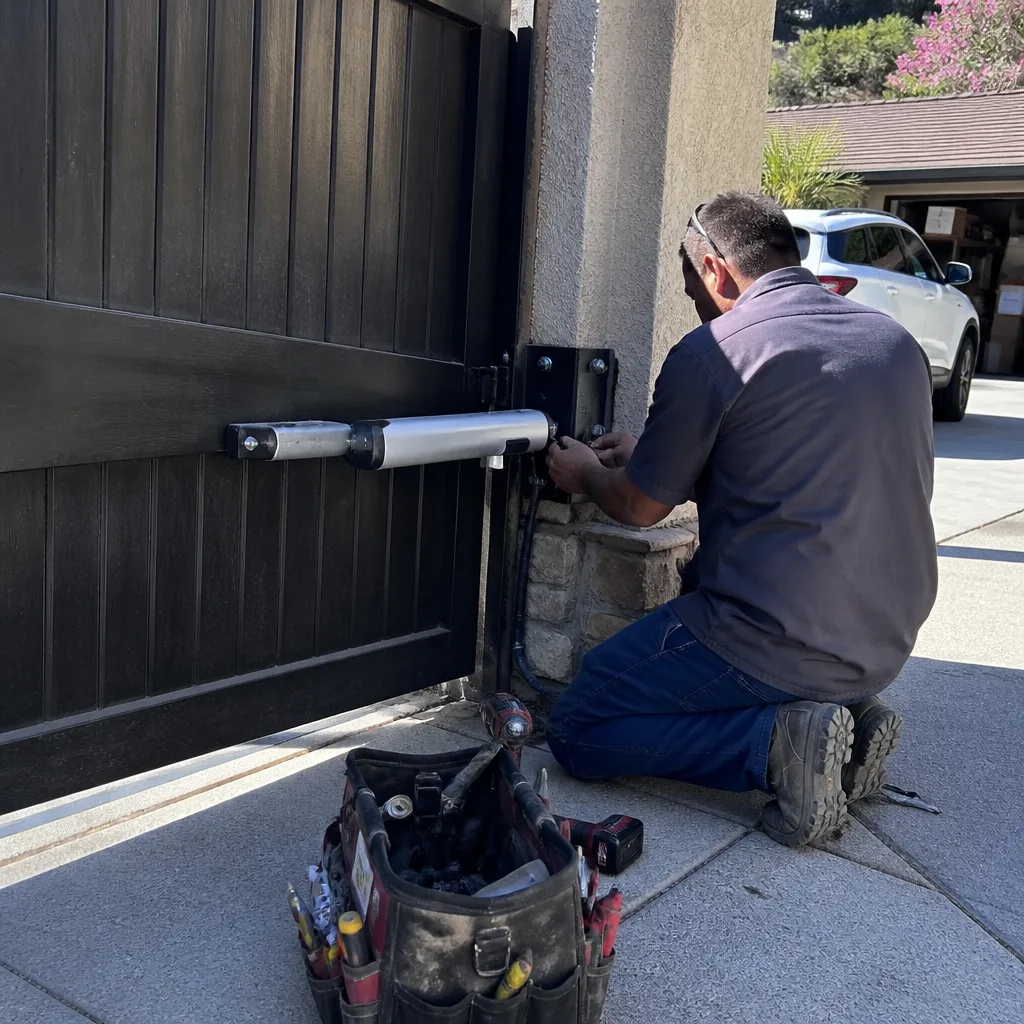 After
After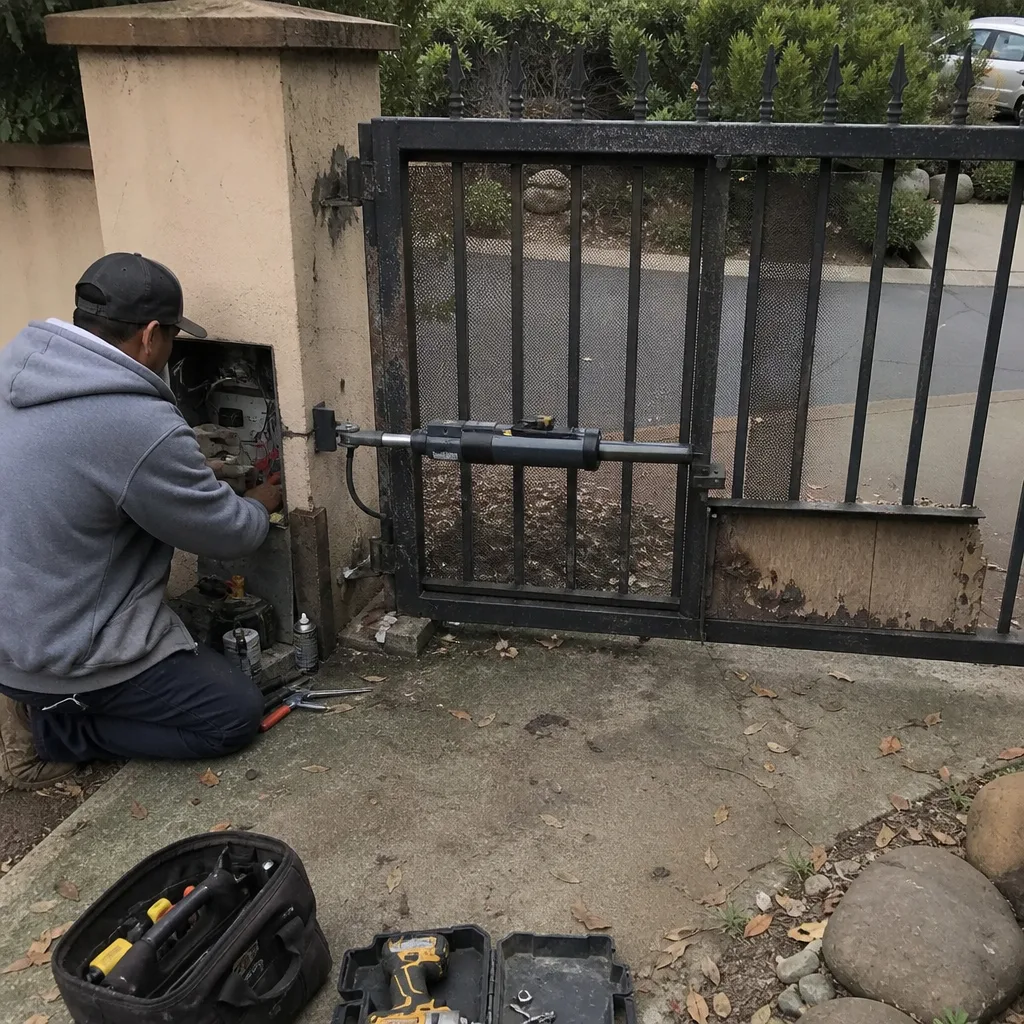 Before
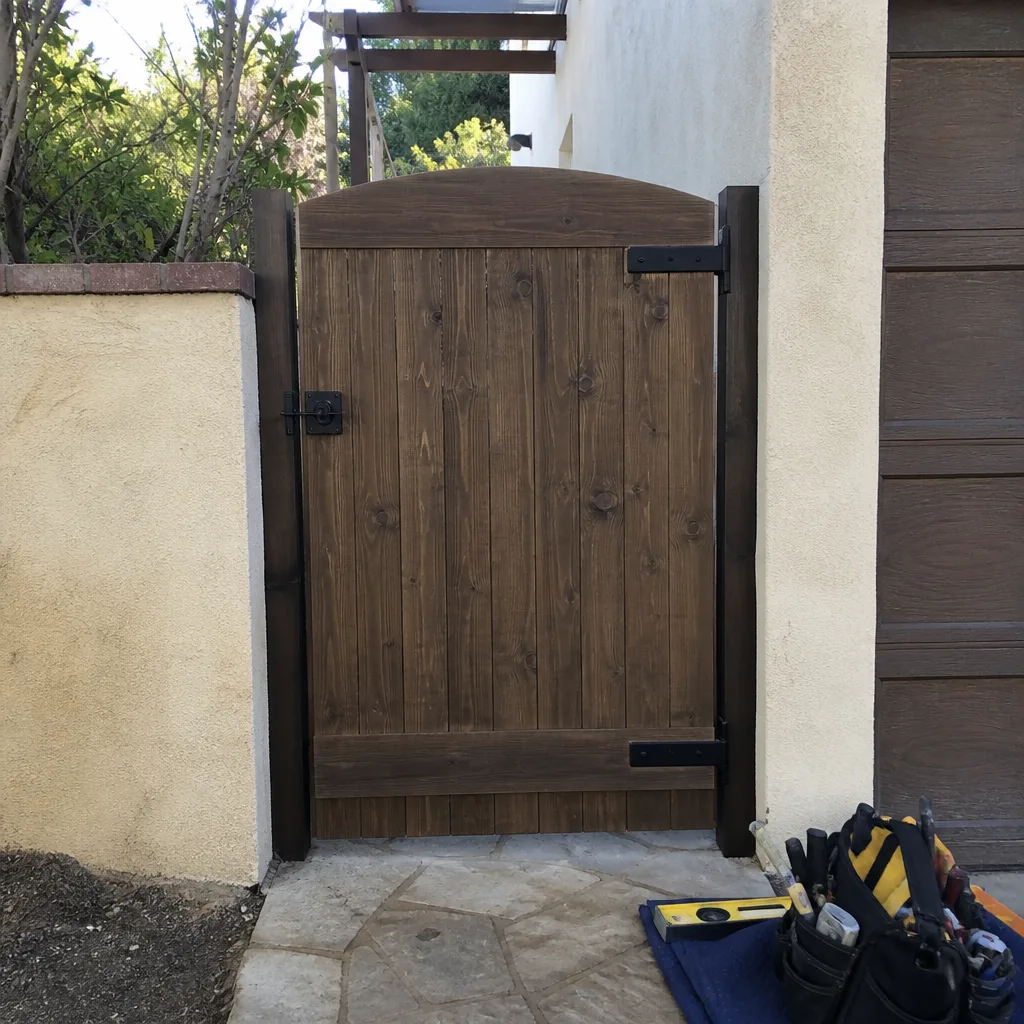 After
After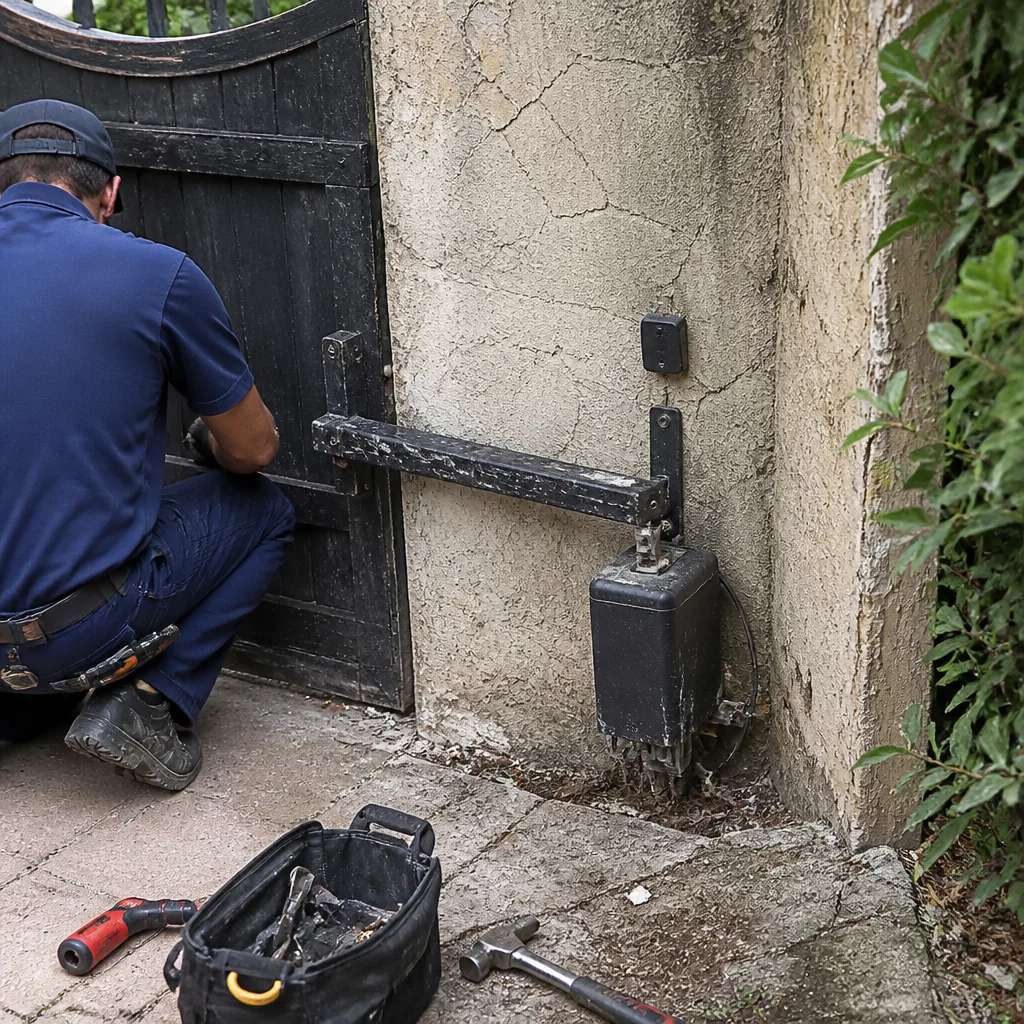 Before
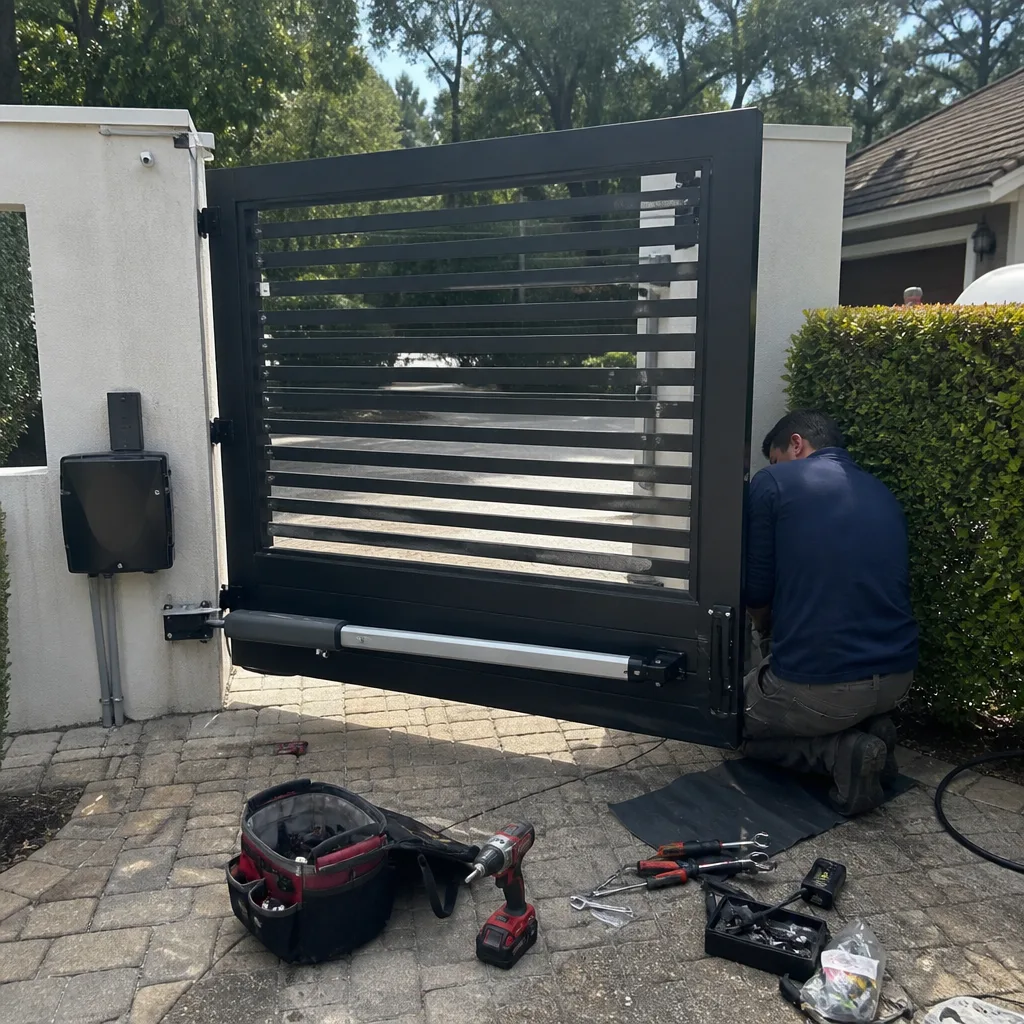 After
AfterGate Repair Maintenance Checklist for Agoura Hills Homeowners
Checking your gate takes ten minutes. Knowing what “normal” looked like six months ago, so you can prove something changed, takes a system most homeowners don’t have. We see it every week in Agoura Hills: a gate fails, the homeowner calls three gate repair companies, gets three different diagnoses, and pays for work that may or may not address what actually broke. The fix isn’t more opinions. The fix is a baseline. This guide gives you a maintenance checklist designed to generate the kind of documented record that makes every future repair faster, cheaper, and harder to misdiagnose.
Quick Answer
A gate maintenance checklist for Agoura Hills homeowners should cover five things: recorded baseline measurements (limit-switch positions, motor amp draw, hinge gap, battery voltage), monthly lubrication of specific pivot points with heat-rated products, photo-documented alignment checks, sound-logging of motor and hinge noise, and a written log any technician can read in under two minutes. The point is not to prevent every failure. The point is to have evidence of what “normal” was before something changed.
Table of Contents
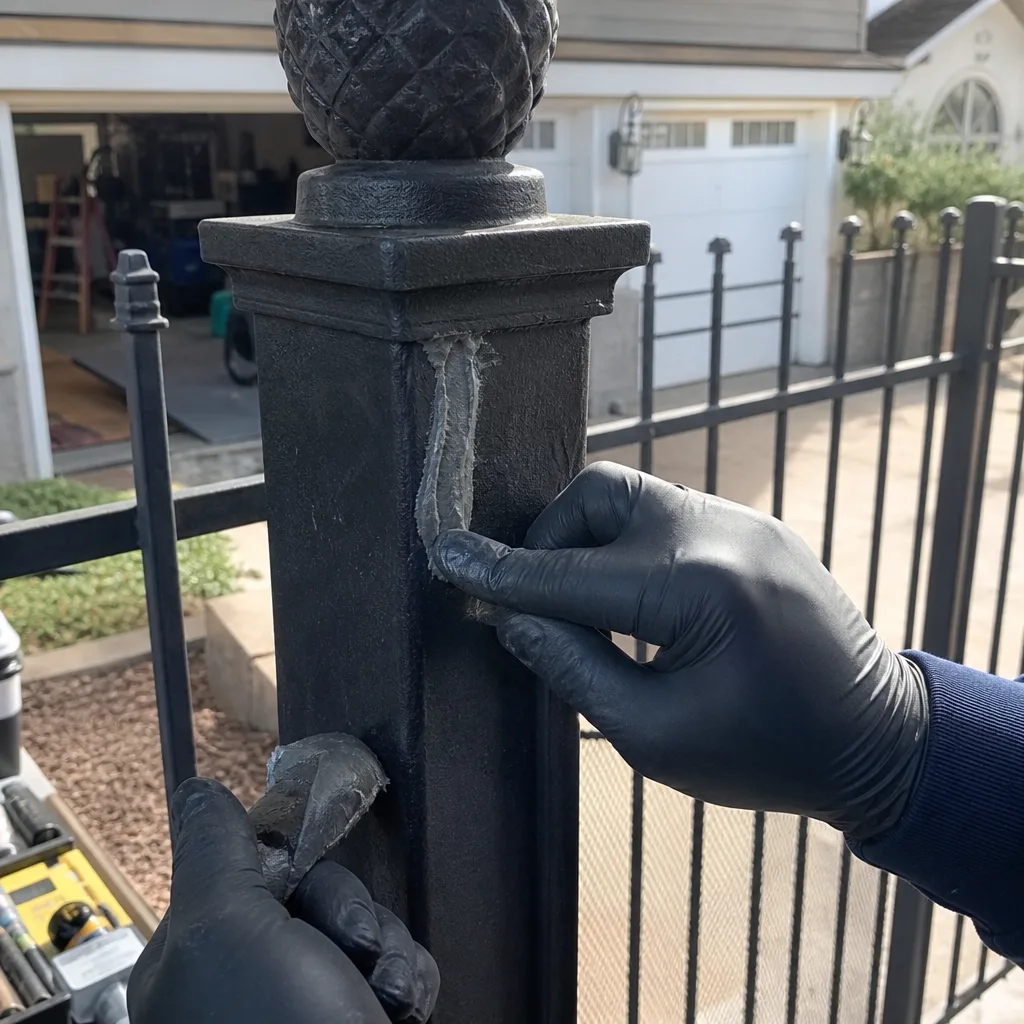
- Take Baseline Measurements on Day One
- Lubrication Points That Matter in Agoura Hills Heat
- How to Photograph Gate Alignment So You Have Before/After Evidence
- The Three Sounds a Gate Makes Before a Mechanical Failure
- A Maintenance Log Format Any Technician Can Read in Two Minutes
- Seasonal Checks for Agoura Hills: Summer Heat, Santa Anas, and Rain
- Common Mistakes to Avoid
- When to Call a Professional
- Frequently Asked Questions
BeforeAfterTake Baseline Measurements on Day One
Most Agoura Hills homeowners we visit have never measured anything on their gate. That is the single biggest reason repairs cost more than they should. Without a baseline, a technician cannot tell the difference between a hinge that was always slightly loose and a hinge that failed last week. You can fix this in one afternoon with a phone camera, a basic multimeter (about $25 at any hardware store), and a tape measure.
Here is what to record the day you decide to maintain your gate seriously:
- Limit-switch positions. Open the motor cover. Find the limit-switch cams (the adjustable collars on the threaded shaft inside most swing-gate operators like LiftMaster, DoorKing, or Elite). Photograph where each cam sits relative to its switch, and write down the position in the log. If a technician later says the limit is “off,” you can look at the photo and know whether it moved.
- Motor amp draw. With the gate moving, clamp a multimeter around the hot lead and record the amps. A typical residential swing-gate motor in Agoura Hills pulls between 2.5 and 4.5 amps under normal load. Higher than that usually means binding at the hinge, wind load, or a failing capacitor. Write the number down. A year later, a higher number is evidence, not opinion.
- Hinge gap tolerance. Slide a feeler gauge between the gate leaf and the pillar at each hinge. Record the gap in millimeters. When that number starts to change on one hinge only, you are looking at wear before any visible sag develops.
- Battery voltage under load. If your gate runs on a battery (common for solar setups on Agoura Hills hillside properties), measure voltage while the gate is moving, not at rest. A battery that reads 13.8 volts at rest can drop to 9 volts under load and cause the motor to stall. Record the loaded number.
Store these measurements in a notebook, a note on your phone, or a spreadsheet. The format matters less than the fact that the numbers exist on a date. When something changes, you will know it changed, and you can show it to whoever comes out to look. That is what we do on every visit under The Haven Standard, Clause 4: evidence on every job. You can do the same as a homeowner, and it costs you nothing.
Lubrication Points That Matter in Agoura Hills Heat
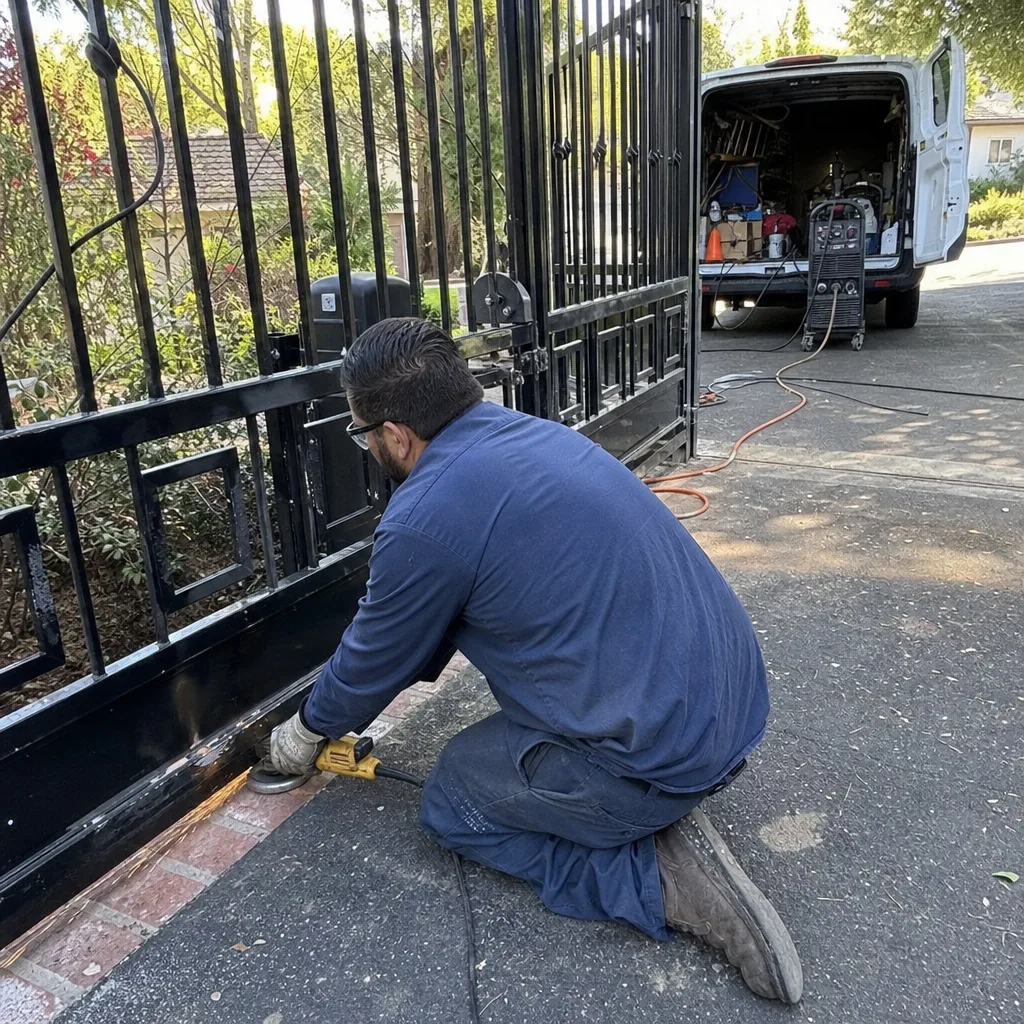
Agoura Hills summers hit 95°F and stay there for weeks. That heat changes what a lubricant does inside a gate mechanism. A product that flows nicely at 75°F can turn thin and run out of the hinge at 100°F. Or worse, a heavy grease that works in cool weather can cake with dust from the surrounding hills and turn into paste. Choosing the wrong product creates drag, which increases motor amp draw, which burns out motors a few years early.
Here is what we use and recommend in this climate:
- Pivot hinges: Use a dry-film or spray lubricant rated for high temperature, not axle grease. A product like a spray-on moly or graphite blend penetrates the hinge pin without holding grit. Grease on Agoura Hills hinges acts like a dust magnet. We have pulled hinges apart where the grease was fifty percent sand by weight.
- Gate track (slide gates): For sliding gates on a steel track, use a light lithium-based grease on the wheels but wipe the track itself dry. The track should not be lubricated. It collects dust from the hillsides and turns into grinding paste on the wheel face.
- Operator arm and chain: Use a light oil, not a spray wax. Spray wax hardens in direct sun exposure and flakes off. A chain that has been waxed in June will be dry by September.
- Limit-switch threads: A small amount of dry graphite on the threads keeps adjustments from binding. Do not use wet lubricant here; it attracts dirt inside the operator housing.
Lubricate every three months in Agoura Hills, not every six. The heat plus the fine dust from the open-space areas around Old Agoura and Liberty Canyon means lubricant breaks down faster than it would in a coastal climate. Every lubrication, take one photo of the hinge area before and after. That photo becomes your baseline for the next session.
One more thing: if you hear a dry squeak from a hinge and you are not entirely sure what to use, call us at (424) 388-2906. We would rather talk you through a product choice than see you load a hinge with the wrong grease and accelerate wear.
How to Photograph Gate Alignment So You Have Before/After Evidence
The most useful piece of evidence a homeowner can produce is a series of alignment photos taken from the same spot over time. Not random snapshots. A system. The purpose is to catch a gate that is gradually sagging, a wheel that is drifting on a slide track, or a motor mount that is walking loose. For instance, in Agoura Hills, the freeze-thaw cycles are mild, but the summer heat expansion and contraction can slowly shift a steel gate on its hinges by small amounts. Photos show it. Memory does not.
Here is the method we teach homeowners:
- Pick four fixed positions and mark them. Use a piece of masking tape on the ground or a painted dot on the driveway. Shoot from the same four angles every time: front from 15 feet, side profile showing the gap at the lock end, underside of the hinge side, and directly down the track line for slide gates.
- Set your phone to wide-angle off, if possible. Wide-angle lenses distort proportions near the edges, which makes before/after comparison unreliable.
- Use a reference object in the frame. Place a short piece of tape on the pillar at gate height. It gives your eye a fixed reference line for alignment drift.
- Date every file. Most phones do this automatically, but rename or file them by date if you are organizing manually. The log format below has a place for photo file names.
When a technician tells you a hinge has worn and needs replacement, you can pull a photo from fourteen months ago and compare it to today. If the gate sat lower by four millimeters at that same hinge, the diagnosis is confirmed in thirty seconds. If the gap looks identical, you now know to ask a sharper question. We leave a documented photo record with every homeowner we serve under Clause 4 of The Haven Standard. You are doing the same thing for yourself, at no cost, just on a slower schedule.
The Three Sounds a Gate Makes Before a Mechanical Failure
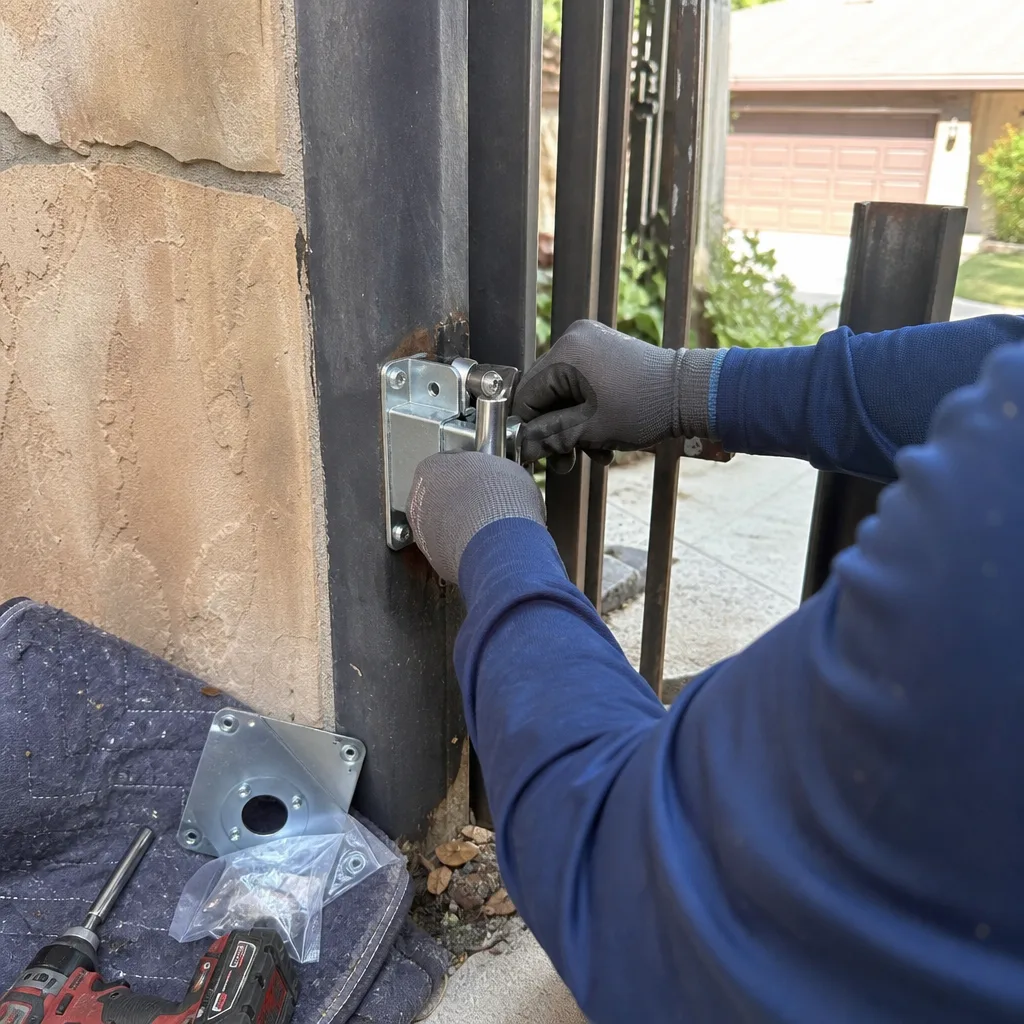
Gates rarely fail silently. They telegraph the failure through sound, usually weeks or months ahead. The problem is that most people do not know what the sounds mean, so they ignore them until the gate stops moving. For Gate Repair Warning Signs: A Agoura Hills Homeowner’s Reference Guide, listening is key. In our experience in Agoura Hills, where gates get daily use and California sun shortens component life, listening is one of the most useful diagnostic habits a homeowner can develop.
1. The “groan” - a low, labored hum from the motor
This is usually the motor drawing higher amps than its rated load, which means something is resisting movement. The three most common causes we find are a hinge that has lost lubrication and is binding, a gate leaf that has shifted and is dragging on the ground or pillar, or a capacitor beginning to fail. The groan is the sound of the motor working too hard. Record the date you first hear it in your log, lubricate the hinges, and photograph the alignment. If the groan persists after lubrication, the motor is being overloaded and the problem is structural, not routine.
2. The “click-click” at start-up - a relay cycling or a limit switch chattering
A rapid clicking when the gate starts to move often means a limit switch is sticking, the motor’s start capacitor is failing, or the board’s relay is chattering under load. On LiftMaster and DoorKing operators, we usually find the limit-switch contacts have oxidized or the cam has moved a few degrees. The clicking is intermittent at first, then constant. Do not wait until the gate refuses to open. A limit switch that chatters is a thirty-minute repair if caught early and a motor replacement if ignored.
3. The “creak” from the hinge or wheel - metal on metal without enough separation
A hinge creak is not just noise. It means the pin is rubbing against the bushing or leaf without a lubricating film between them. Every swing cycle grinds a small amount of material off the metal. Over a year of daily use in Agoura Hills, that wear can add up to a measurable change in hinge gap tolerance. Lubricate the hinge the day you hear it and log the sound. If the creak comes back within two weeks, the hinge is worn past the point of lubrication and should be replaced. See our Gate Repair in Agoura Hills page for details on hinge replacement costs and timeline.
A Maintenance Log Format Any Technician Can Read in Two Minutes
Most homeowners do not keep a maintenance log, and the ones who do keep a form that is not useful to the next person who reads it. A good log is not a journal. It is a data sheet. The goal is that any technician, whether from our team or another company, can open it and know in two minutes what has been done, what changed, and when. The log itself is evidence, and evidence shortens diagnosis.
Here is the format we recommend, kept in a notebook by the operator or in a shared note on your phone:
- Date and time. Always. Everything else is meaningless without it.
- Observation. One sentence. “Creak from lower hinge on left leaf when opening.” Not “gate sounds weird.”
- Measurement. Any number you take: amp draw, hinge gap, battery loaded voltage, limit switch position from photo. If you take no measurement, write “no measurement taken.”
- Action taken. Lubricated, adjusted, photographed, called a technician. One line.
- Photo file names. This links the written record to the visual record. If you took four alignment photos, list the file names or note the folder.
A completed entry looks like this:
“March 14, 2026. Observation: low groan from operator when opening. Measurement: motor amp draw 5.2A (baseline was 3.8A in November). Action: lubricated both pivot hinges, photographed alignment, logged baseline. Photos: hinge-left-front-031426.jpg, hinge-right-front-031426.jpg.”
That entry takes ninety seconds to write and will save the next technician thirty minutes of guesswork. We read every maintenance log a homeowner hands us, and we read them carefully. The ones that use this format are consistently the cheapest jobs to diagnose because the evidence is already there. That is the entire point of Vance Gate Repair Agoura Hills home approach: documentation solves problems.
Seasonal Checks for Agoura Hills: Summer Heat, Santa Anas, and Rain
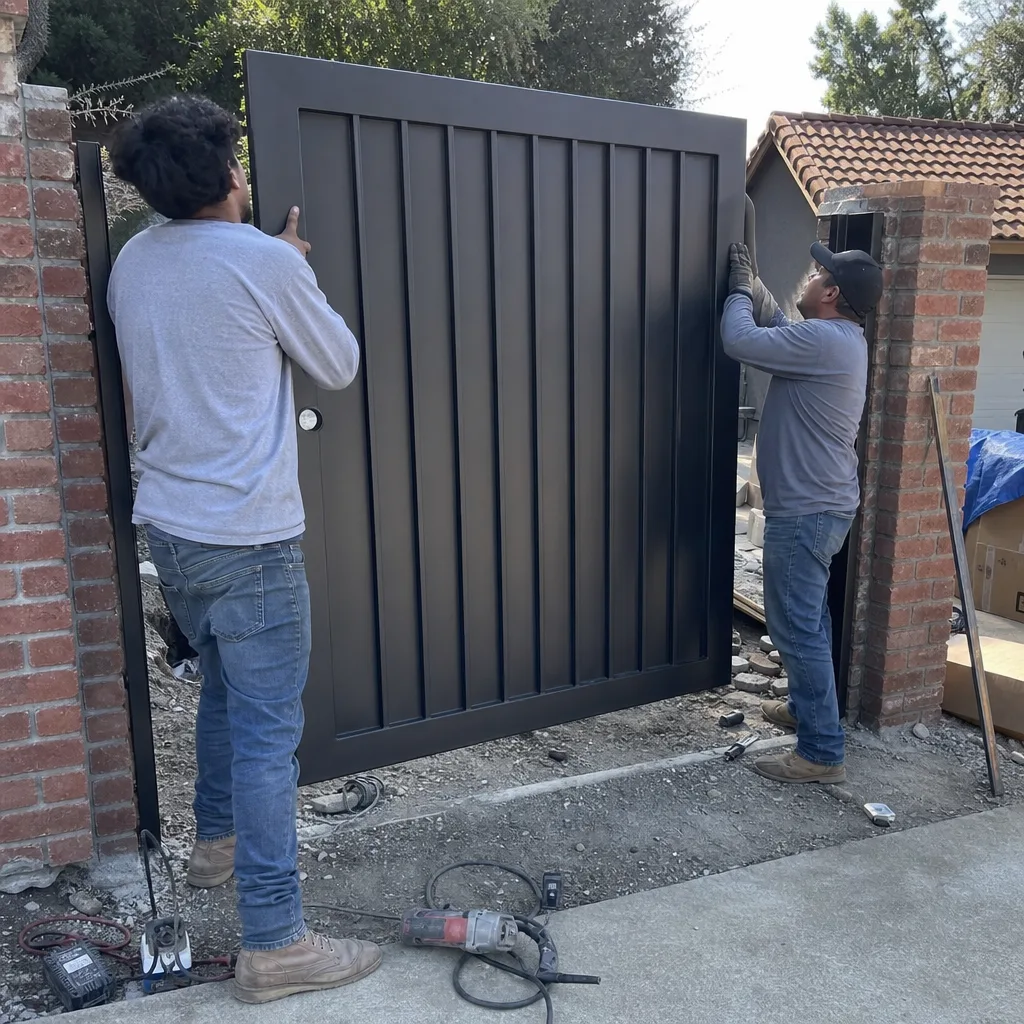
Agoura Hills gets three distinct weather patterns that affect gates differently. The inland summer heat bakes lubricant and electronics. The Santa Ana winds load swing gates with side force, which accelerates hinge wear and can trip photo-eye misalignment. Winter rain, less frequent but often intense in the canyons, sends runoff through gate tracks and into operator housings if drainage is wrong. A seasonal checklist tuned to these patterns will catch most of what goes wrong before it becomes a service call.
April - before the heat arrives
- Lubricate all pivot points with heat-rated products (see the lubrication section above).
- Check operator amp draw and record it. Higher heat later in the year will raise it slightly; you want the pre-heat baseline.
- Clean the photo-eye lenses (the infrared beam that stops the gate if something crosses the path) with a dry cloth. Dust from spring winds clouds the lens and causes false stops.
- Inspect the operator housing for cracked seals. Agoura Hills summer heat expands sealed plastic or rubber, and a hairline crack now will let dust in by August.
August - highest heat, highest amp draw
- Re-measure amp draw. If it is more than 15 percent above your April baseline with no other changes, you have binding or a failing component. Log it and photograph the alignment.
- Check battery voltage under load if you have a solar or battery backup system. Heat shortens battery life. A battery that tested 12.8 volts loaded in April may test 11.5 in August and be on its way out.
- Feel the motor housing after ten cycles. If it is too hot to hold your hand on for five seconds, the motor is overloading and the cause is usually mechanical drag, not the motor itself. Fix the drag, not the motor.
October - before Santa Ana winds
- Check hinge gap tolerance at every hinge and compare to your baseline. The gap will widen if wind has been working the gate side-to-side.
- Inspect the track and wheels on slide gates for side wear. Santa Ana winds push slide gates laterally, and wheel flanges wear unevenly.
- Tighten all visible bolts on the motor mount and hinge plates. Wind vibration loosens all of them by the end of the season.
December - after the first heavy rain
- Clear debris from the gate track and check that water drains away from the operator, not toward it. Standing water around a slide-gate operator base is the single most common cause of winter board failures we see in Agoura Hills.
- Inspect the bottom seal on the operator housing. If water gets in, the board will corrode and fail, usually in a cold rain when you least want to work on a gate.
- Re-tighten the drive chain or belt tension. Cold makes metal contract, and a chain that was correct in August may have developed slack by December.
If any of these checks turns up something you do not want to handle yourself, you can contact our Gate Motor & Opener team in Agoura Hills and we will send someone with a multimeter and a written estimate before any work starts.
Common Mistakes to Avoid
The homeowners we visit in Agoura Hills are smart and research-driven. The mistakes we see are not from laziness; they are from incomplete mental models of how gates fail. Here are the most common ones, with the specific reason each one costs money.
- Lubricating the track on a slide gate. The wheels need lubrication, the track does not. A greased track in Agoura Hills collects dust from the hills and grinds the wheel faces flat, which then requires wheel and track replacement instead of a fifteen-minute wheel service.
- Measuring battery voltage at rest instead of under load. A battery will read normal voltage sitting idle even when it cannot deliver enough current to move the gate. This leads homeowners to replace motors and boards when the battery was the failure all along.
- Photographing from a different position each time. Before/after photos only work if the framing is consistent. A photo from a different angle is emotionally satisfying but diagnostically useless. Park your feet in the same spot, aim at the same point, every time.
- Waiting until the gate stops working before logging anything. The whole point of a baseline is that it exists before the failure. Once the gate is down, the pre-failure state is lost. Start the log today, when the gate still moves.
- Ignoring a new sound for “a little while.” The groan, click, or creak described above is the gate telling you the failure is developing. Every week you ignore it converts a small repair into a larger one. Log the sound the day you hear it.
- Assuming the original installer’s settings are still correct. Limit switches drift, hinges wear, and chains stretch. The installer’s settings were correct on installation day. After a year of Agoura Hills heat and wind, they may be correct no longer.
- Replacing the motor without finding the cause of the overload. A motor rarely fails on its own in a residential gate. It fails because a hinge bound, a track clogged, or a capacitor shorted. Replacing the motor without fixing the cause means you will replace it again in eighteen months. We see this repeatedly, and it is the most expensive of the common mistakes.
When to Call a Professional
Some maintenance tasks are yours, and some belong to a technician. You can photograph, log, and listen. You should not open a high-capacitance operator, re-tension a torsion spring, or re-weld a cracked hinge without training. If the log shows a motor amp draw repeatedly above the baseline after lubrication, or a hinge gap that changed by more than two millimeters in a year, those are professional-level findings. If the gate moves while you are measuring anything near the motor, stop and call someone. For Gate Installation in Agoura Hills, especially complete replacements or new automation, the work begins with a free on-site measure and a written price before anyone picks up a tool. Vance Gate Repair Agoura Hills offers free estimates in Agoura Hills. Call (424) 388-2906 and a live person answers, day or night.
Frequently Asked Questions
Most gate repairs in Agoura Hills run between $185 and $1,400, depending on the component and the gate type, so check Gate Repair Permits, Codes & Inspections in CA: What You Need to Know before starting work. A hinge replacement typically runs $185 to $400 per hinge. A limit-switch adjustment or replacement is usually $120 to $275. A full residential swing-gate motor replacement typically ranges from $900 to $1,800 including labor, depending on the brand (LiftMaster, DoorKing, Elite, Mighty Mule) and whether the arm bracket is intact. Every price we quote is written and handed to you before work starts, under Clause 1 of The Haven Standard. Call (424) 388-2906 for an exact quote, estimates are free.
Every three months in Agoura Hills, because the summer heat and dust shorten lubricant life. Use a heat-rated dry-film lubricant on hinges and a light oil on chains. Grease on hinges in this climate collects dust and turns into grinding paste, so avoid heavy grease altogether.
Most hinge replacements, limit-switch resets, and photo-eye realignments can be done same-day or next-day in Agoura Hills, since the parts are common and our trucks carry them. Motor replacements may require a brand-specific part that is ordered and installed within a few days. Call (424) 388-2906 and a live person will tell you what is realistic, not an optimistic guess.
A full maintenance visit from our team includes a written baseline of motor amp draw, limit-switch position, hinge gap tolerance, and battery voltage under load. Then we lubricate every pivot point with heat-rated product, inspect the photo-eyes, tighten the motor mount and hinge plates, and test the full cycle path. You receive a written record of every measurement, before and after. We do the same on repair visits under Clause 4 of The Haven Standard.
Yes. We handle the low-voltage power run, the photo-eyes (infrared safety beams), and the safety edges (the pressure-sensitive strip that reverses the gate on contact). We install and align them as part of gate installation and service, and we photograph the final positions so there is a record of what was set.
The inland heat and dryness break down lubricant, expand and contract metal, and shorten battery life, while the Santa Ana winds load swing gates laterally and the canyon dust accelerates hinge wear. A coastal gate on the same schedule will show less wear at the same age. This is why we recommend a three-month lubrication cycle and a recorded baseline for every Agoura Hills residence.
The Bottom Line
A maintenance checklist without a record is just a to-do list. The Agoura Hills homeowners who avoid the expensive, hard-to-diagnose repairs are the ones who write down baseline measurements, photograph alignment from fixed positions, log new sounds, and lubricate with products that survive the heat. That record is what turns a technician visit from a guessing game into a conversation about evidence. Start the log today. Take the four photos. Write down the amp draw. When something changes, you will know, and so will the technician who reads your notes. See our more guides & resources for ongoing maintenance tips.
Written by Adrian Vance, Owner at Vance Gate Repair Agoura Hills, serving Agoura Hills since 2014.